Showcase Feature · Culture and Capital
Two Countries Are Trading in Something Older Than Oil
Two exhibitions opened at the Museum of Islamic Art in Doha this week. Read them alongside a strategic partnership agreement, a mosque restoration grant and a Central Asian economy growing at 7.7 per cent, and a cultural corridor starts to look like an economic one.
By Nisha Varman · Founding Editor, SilQRoute Times ·
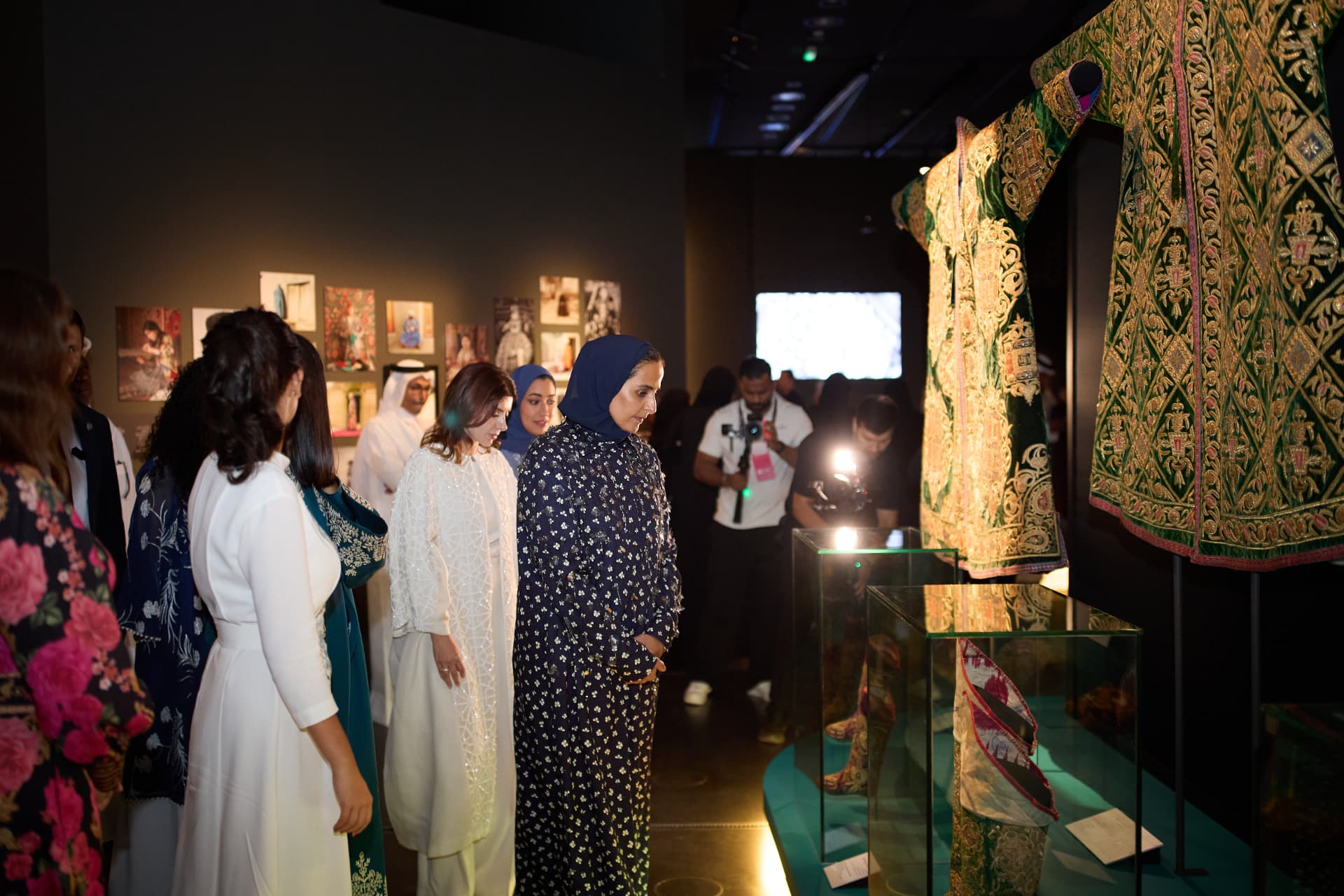
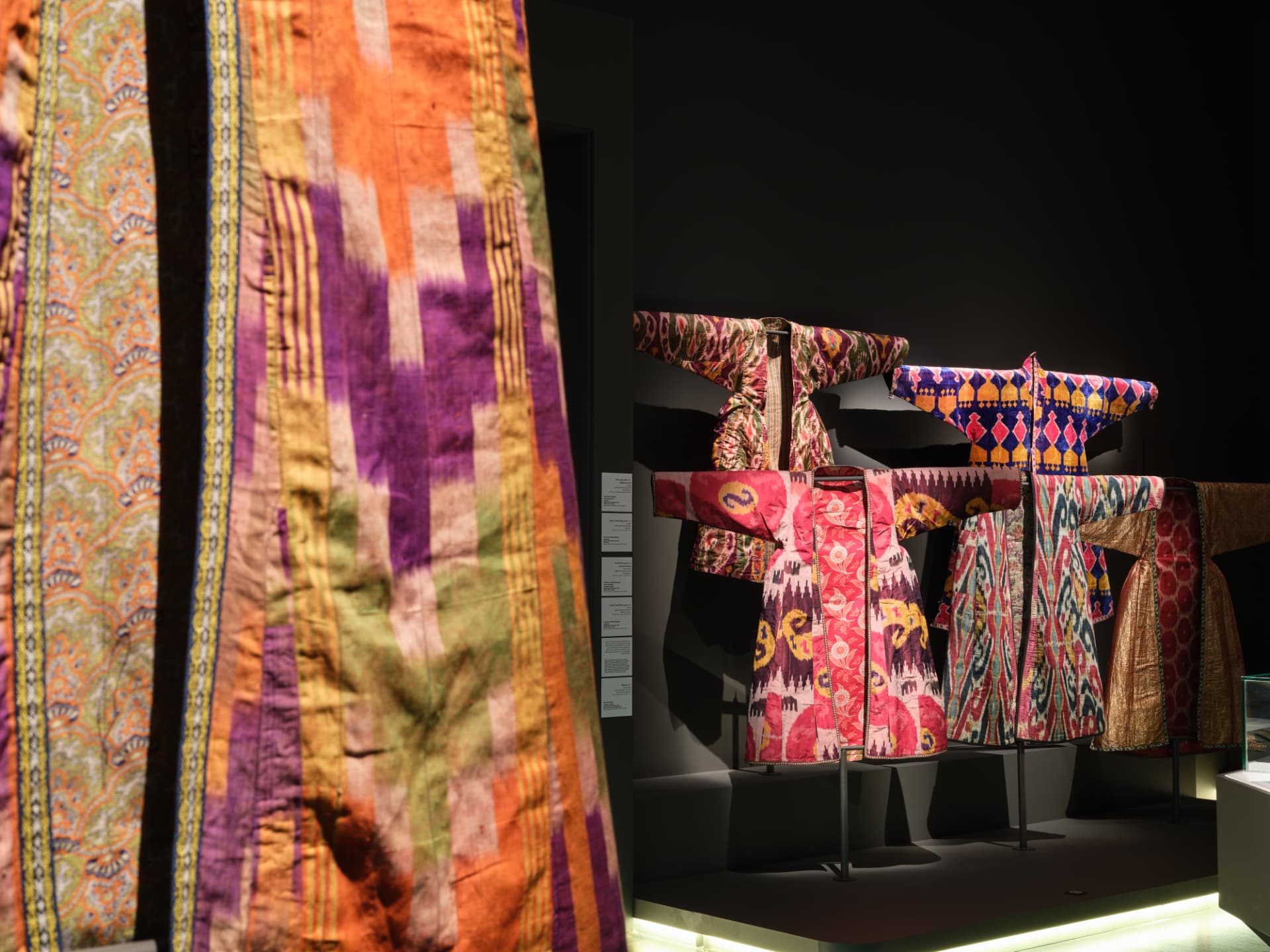
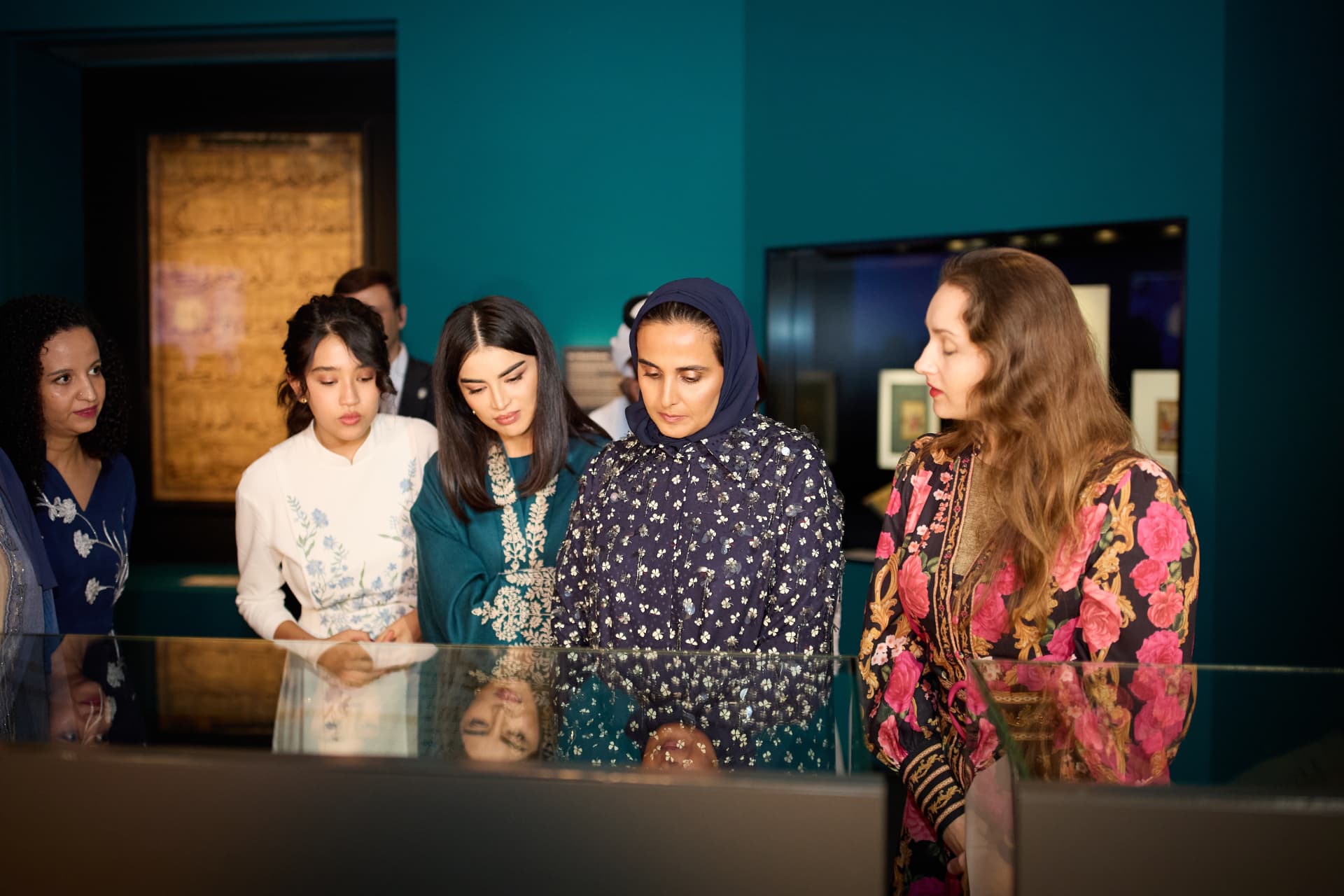
On the evening of 1 September, in a gallery on the ground floor of the Museum of Islamic Art, a group of Qatari artists stood beside objects they had gone to Central Asia to understand. Outside, the Doha Corniche was doing what it does in early September, which is hold the day's heat well past sunset. Inside, the light was low and blue, and the room was full of textiles that had travelled a very long way to be looked at properly.
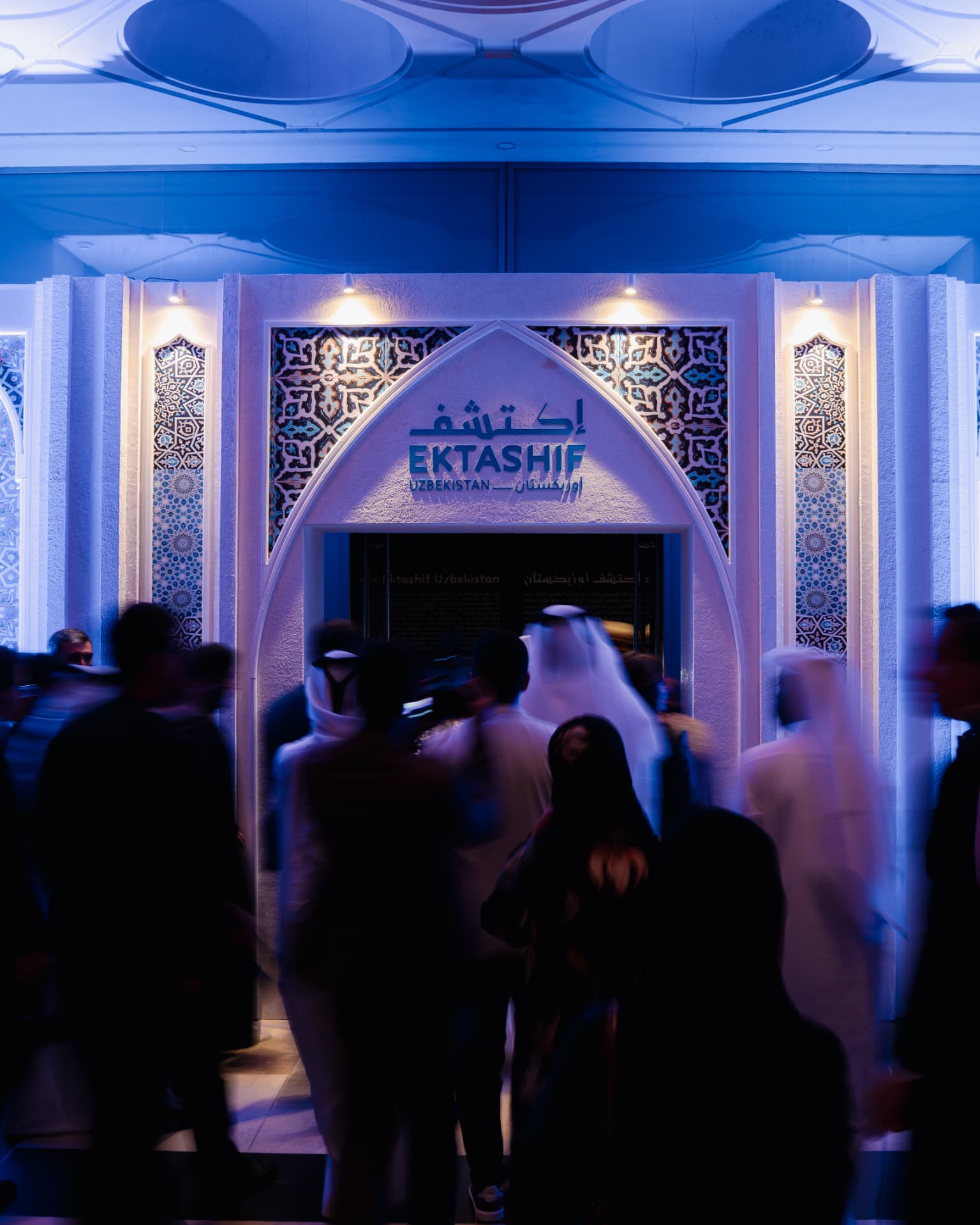
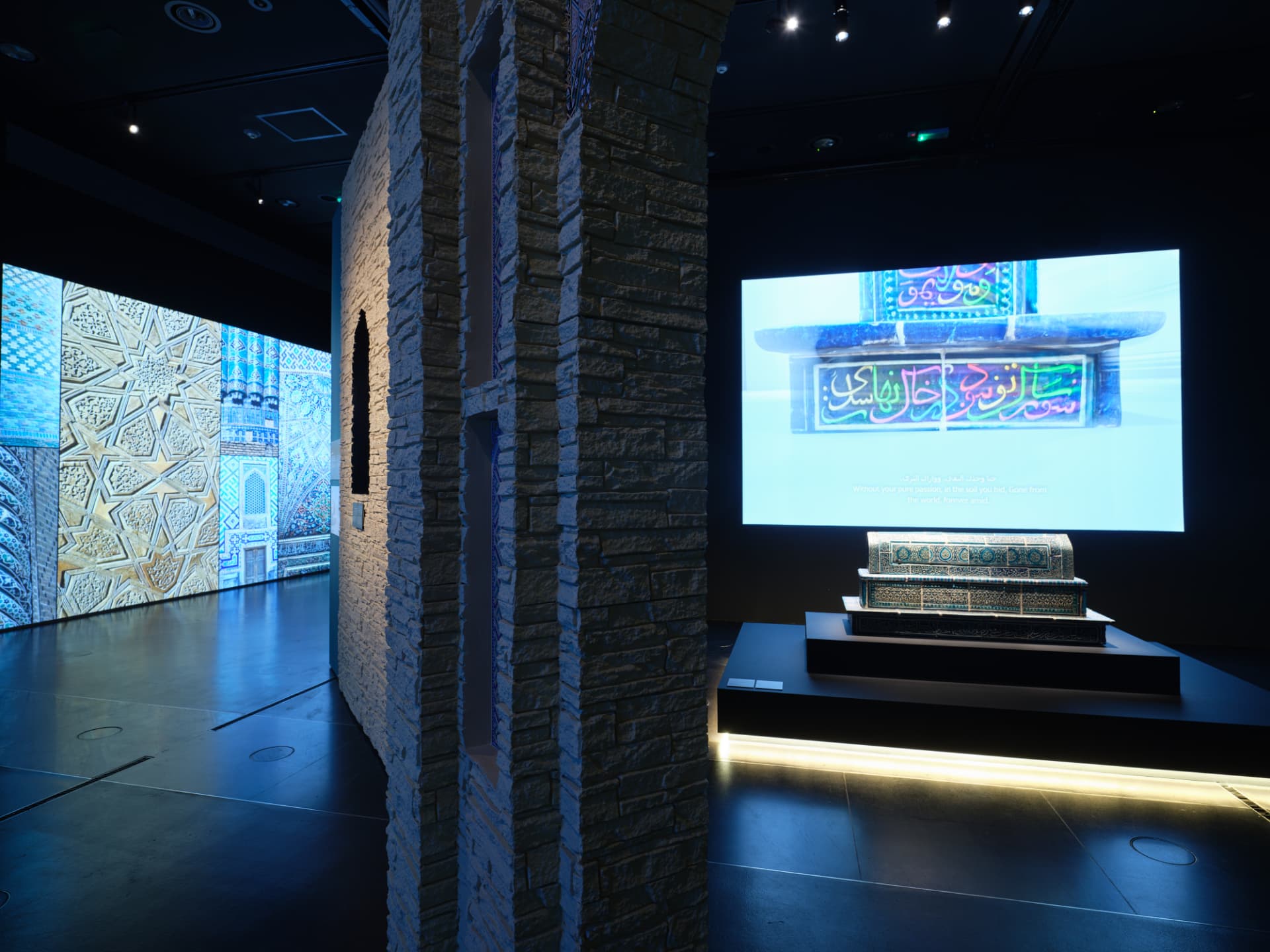
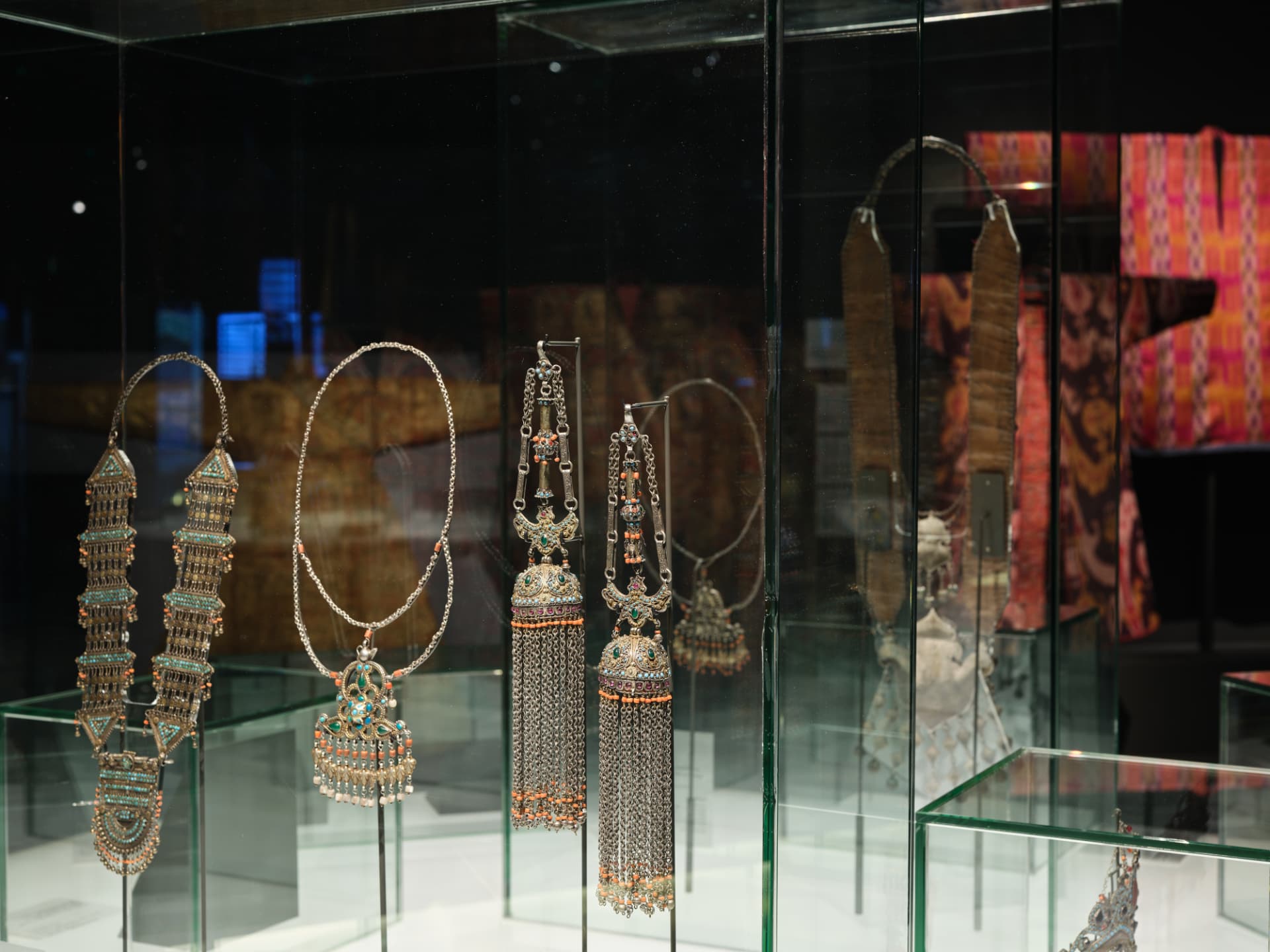
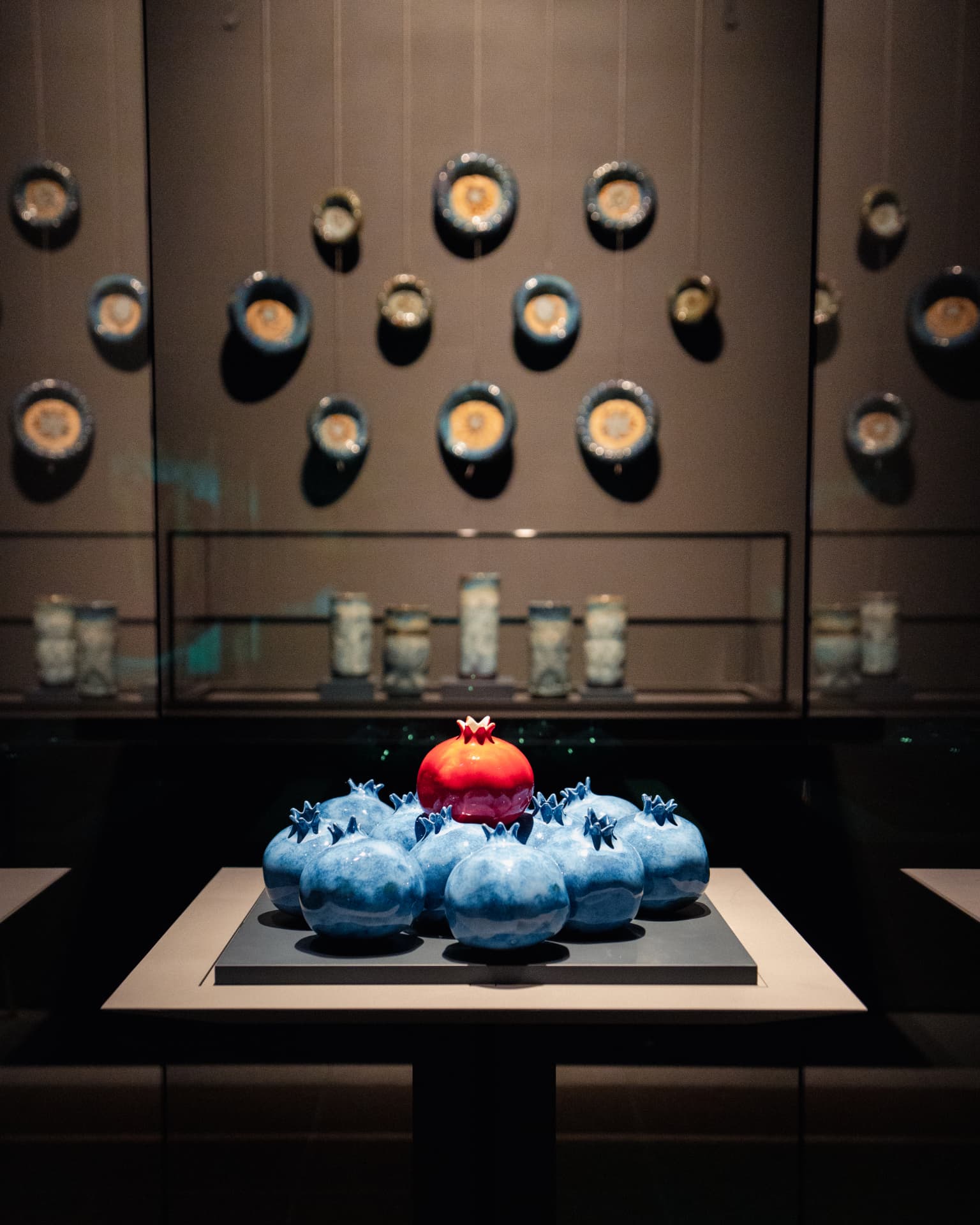
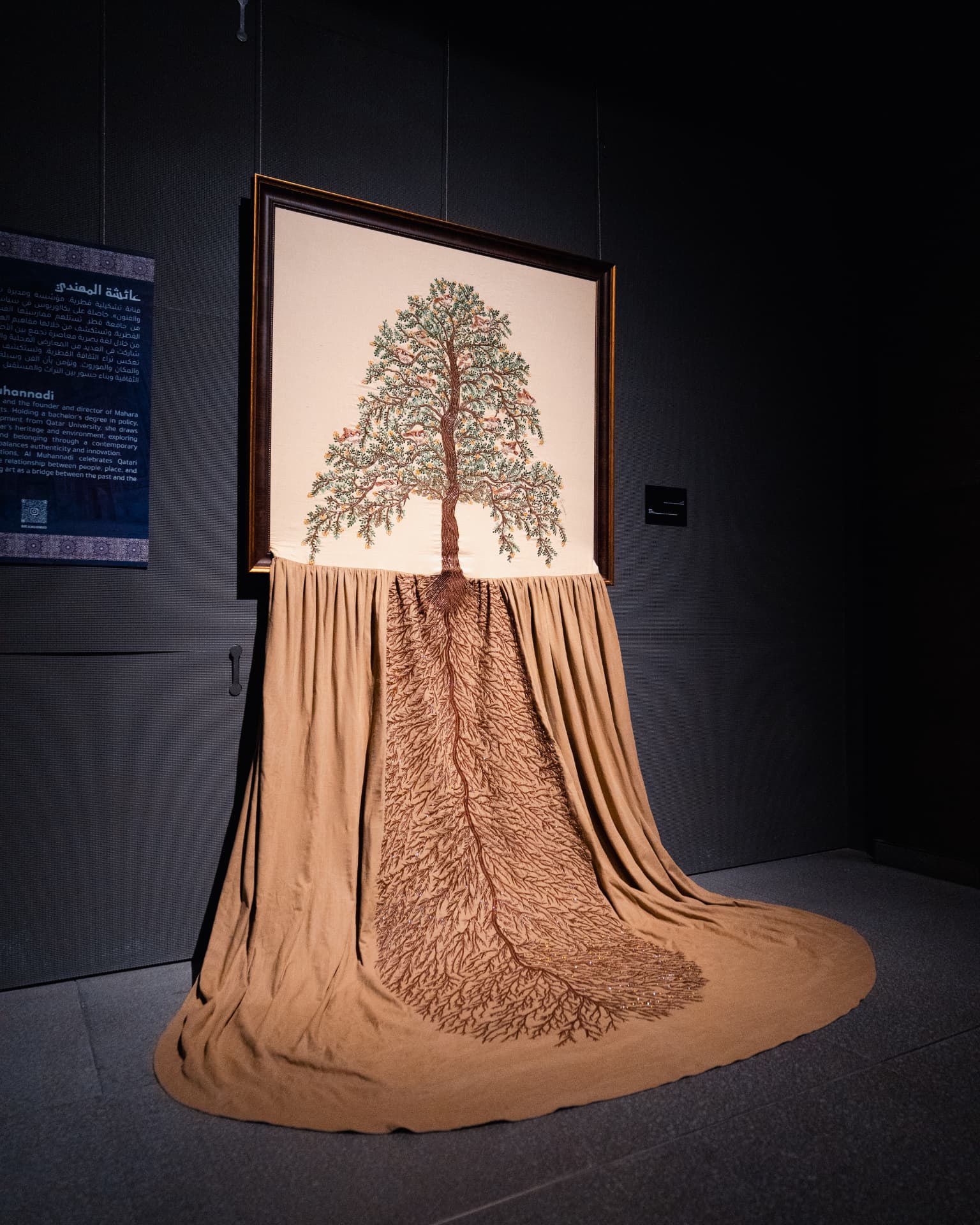
Two exhibitions opened this week. Ektashif: Uzbekistan presents new work by seven Qatari artists who researched in Tashkent, Samarkand and Bukhara, and runs to 28 November. Uzbekistan: Heritage in Motion, presented with Uzbekistan's Art and Culture Development Foundation and supported by Visit Qatar, gathers 146 objects from the Museum of Islamic Art, Qatari collections and thirteen Uzbek institutions, and runs to 28 November.
Read as a cultural listing, that is a pleasant autumn in Doha. Read against the paperwork of the last two years, it is something more deliberate.
The paperwork came first
Qatar and Uzbekistan signed a strategic partnership agreement in April 2024. President Shavkat Mirziyoyev signed the law ratifying it on 1 March 2025. On 21 August 2025 the first meeting of the Coordination Council for that partnership convened in Doha, co-chaired by Qatar's Prime Minister and Minister of Foreign Affairs, Sheikh Mohammed bin Abdulrahman bin Jassim Al Thani, and Uzbekistan's Foreign Minister, Bakhtiyor Saidov.
Before either of those dates, in October 2024, the Qatar Fund for Development and the Art and Culture Development Foundation signed a grant agreement to restore the Bibi Khanym mosque complex in Samarkand, at a ceremony attended by the Chairperson of Qatar Museums, Sheikha Al Mayassa bint Hamad bin Khalifa Al Thani. The Qatar Fund for Development put the grant at 4,175,000 US dollars, with the restoration delivered through the Aga Khan Trust for Culture. What the money buys, beyond masonry, is the sequence: a restoration commitment, then a treaty, then a council, then a museum floor.
Qatar Airways has flown Doha to Tashkent since 2 June 2024. Air links are the unglamorous half of soft power. Exhibitions create the reason to travel; schedules decide whether anyone actually does.
What Uzbekistan is bringing to the table
It is easy to read a cultural partnership between a Gulf state and a Central Asian one as patronage in a single direction. The numbers do not support that reading.
Uzbekistan's economy grew 7.7 per cent in 2025, on World Bank figures, with national poverty falling from 8.9 per cent to 5.8 per cent in a single year and growth projected at 6.4 per cent for 2026. UNCTAD puts inward foreign direct investment flows at 4.398 billion dollars in 2025, up from 2.975 billion the year before, with inward stock at 26.04 billion dollars. The National Statistics Committee counted 11.7 million foreign visitors in 2025, a rise of 46.8 per cent.
The technology base is compounding alongside it. IT Park Uzbekistan reported 481 new exporters and 232 foreign companies joining in the first seven months of 2025, and a further 470 companies gaining member status between September and November, two thirds of them export oriented. In August 2025 Uzum, the country's first unicorn, raised roughly 70 million dollars led by Tencent and VR Capital at a valuation of about 1.5 billion dollars, though reported figures for the raise vary between 65.5 and 70 million.
Set that beside Qatar's own year. Qatar Tourism recorded 5.1 million international visitors in 2025, up 3.7 per cent, with the GCC supplying 35 per cent of arrivals. Two economies with fast-growing visitor bases and a shared interest in being understood as destinations rather than transit points have an obvious reason to pool audiences.
Tashkent has been running the same playbook
Anyone in Doha who has watched culture become an instrument of national strategy will recognise what the Art and Culture Development Foundation has been doing.
The inaugural Bukhara Biennial, commissioned by ACDF chairperson Gayane Umerova, opened on 5 September 2025 and drew more than half a million visitors in its first month, most of them local and many attending a contemporary art exhibition for the first time. The first Aral Culture Summit was held in Nukus in April 2025. The 43rd session of the UNESCO General Conference met in Samarkand from 30 October to 13 November 2025, the first time that conference has convened in Central Asia. The Centre for Contemporary Arts Tashkent, a Studio KO conversion of a 1912 tram depot, is due to open on 6 September 2026, and TIME has already listed it among the World's Greatest Places for the year.
That is a five-year institutional build executed at speed, and it rhymes closely with the Qatari method we have traced in our work on Art Basel Qatar and on art as an asset class: secure a recurring date, build the institution around it, and let repetition do the work of recognition.
Why the corridor argument holds
SilQRoute Times exists because we think the interesting story of this decade is the reconnection of the old overland and maritime routes under new ownership. Most of that story is told in tonnage, port concessions and rail gauge. This week it was told in silk.
Uzbekistan is doubly landlocked and cannot buy its way to a coastline. What it can do is make itself legible: to investors through WTO accession talks and reform, to travellers through heritage, to institutions through partnership. Qatar is a small state that has spent two decades converting convening power into standing. Each has something the other has already paid for. Qatar has global cultural distribution. Uzbekistan has depth of heritage that no amount of capital can manufacture.
For allocators, the practical read is narrower than the romance. Cultural agreements between states are a reliable leading indicator of the commercial agreements that follow, because they require the same ministries to build the same working relationships. Uzbekistan's Minister of Investment, Industry and Trade, Laziz Kudratov, told Qatar News Agency in June that trade and investment between the two countries would grow significantly over the next five years. Ministers say that often. The difference here is that the institutional plumbing already exists.
What we are watching
- Whether the 4,175,000 US dollar Bibi Khanym model, funded by the Qatar Fund for Development and delivered through the Aga Khan Trust for Culture, extends to other Uzbek heritage sites.
- Whether Qatar Airways adds Samarkand or Bukhara to the Tashkent route, which would turn a diplomatic link into a tourism one.
- The opening of the Centre for Contemporary Arts Tashkent on 6 September, and whether Gulf institutions take part in its programme.
- Whether the Coordination Council produces a sectoral investment pipeline, particularly in logistics, mining and digital services.
If you are going
Both exhibitions are on view at the Museum of Islamic Art in Doha. Ektashif: Uzbekistan runs to 28 November 2026 and Uzbekistan: Heritage in Motion to 28 November 2026. Check Qatar Museums for current opening hours before travelling.
Sources & references(16)Show
- 1.Qatar Museums, press release, 3 September 2026. Ektashif: Uzbekistan opened at the Museum of Islamic Art in Doha on 3 September 2026 and runs to 28 November 2026, presenting new work by seven Qatari artists who travelled and researched in Tashkent, Samarkand and Bukhara.
- 2.Qatar Museums, press release, September 2026. Uzbekistan: Heritage in Motion, presented by Qatar Museums with Uzbekistan's Art and Culture Development Foundation and supported by Visit Qatar, runs to 28 November 2026 and brings together 146 objects from the Museum of Islamic Art, Qatari collections and 13 Uzbek institutions.
- 3.Qatar Fund for Development, project announcement, 3 October 2024. The Qatar Fund for Development and Uzbekistan's Art and Culture Development Foundation signed a grant agreement to restore the Bibi Khanym mosque complex in Samarkand at a ceremony on 3 October 2024 attended by Sheikha Al Mayassa bint Hamad bin Khalifa Al Thani. The Qatar Fund for Development put the value of the grant at 4,175,000 US dollars, with the works delivered through the Aga Khan Trust for Culture.
- 4.Qatar Ministry of Foreign Affairs, 21 August 2025. The first meeting of the Coordination Council for the Strategic Partnership between Qatar and Uzbekistan convened in Doha on 21 August 2025, co-chaired by Qatar's Prime Minister and Minister of Foreign Affairs and Uzbekistan's Minister of Foreign Affairs.
- 5.Kun.uz, 1 March 2025. President Shavkat Mirziyoyev signed the law ratifying the Qatar and Uzbekistan strategic partnership agreement on 1 March 2025.
- 6.Gulf Times and QNA, 24 June 2026. Uzbekistan's Minister of Investment, Industry and Trade, Laziz Kudratov, told Qatar News Agency that Qatari and Uzbek trade and investment would grow significantly over the next five years.
- 7.World Bank, Uzbekistan Macro Poverty Outlook. Uzbekistan's economy grew 7.7 per cent in 2025, national poverty fell from 8.9 per cent to 5.8 per cent, and growth is projected at 6.4 per cent for 2026.
- 8.UNCTAD, World Investment Report 2026 country factsheet. Inward foreign direct investment flows to Uzbekistan reached 4.398 billion dollars in 2025, up from 2.975 billion dollars in 2024, with inward FDI stock at 26.04 billion dollars.
- 9.Kun.uz, 20 January 2026. Uzbekistan received 11.7 million foreign visitors in 2025, an increase of 46.8 per cent on 2024, according to the National Statistics Committee.
- 10.Uzum, press release, 5 August 2025. Uzum, Uzbekistan's first unicorn, raised approximately 70 million dollars led by Tencent and VR Capital in August 2025 at a post-money valuation of about 1.5 billion dollars. Some outlets reported the raise at 65.5 million dollars.
- 11.IT Park Uzbekistan, 2025 membership reports. IT Park Uzbekistan reported that 481 new exporters and 232 foreign companies joined in the first seven months of 2025, and that 470 companies gained member status between 1 September and 30 November 2025, of which 267 were export oriented.
- 12.Design Anthology, 7 November 2025. The inaugural Bukhara Biennial, commissioned by Art and Culture Development Foundation chairperson Gayane Umerova, opened on 5 September 2025 and drew more than half a million visitors in its first month.
- 13.UNESCO, 43rd General Conference. The 43rd session of the UNESCO General Conference was held in Samarkand from 30 October to 13 November 2025, the first time the conference met in Central Asia.
- 14.TIME, World's Greatest Places 2026, 12 March 2026. The Centre for Contemporary Arts Tashkent, an Art and Culture Development Foundation project designed by Studio KO in a converted 1912 tram depot, is scheduled to open on 6 September 2026 and was named among TIME's World's Greatest Places 2026.
- 15.Qatar Tourism, 2025 Annual Performance Report. Qatar received 5.1 million international visitors in 2025, up 3.7 per cent year on year, with the GCC the largest source market at 35 per cent.
- 16.Tashkent Times, 3 June 2024. Qatar Airways began flying from Doha to Tashkent on 2 June 2024, initially with four weekly services.
Photography by SilQRoute Times and Qatar Museums, from the pre-opening of Uzbekistan: Heritage in Motion and Ektashif: Uzbekistan on 1 and 2 September 2026. This is an independent editorial feature. It is not sponsored and no payment or consideration was received from any institution named.